
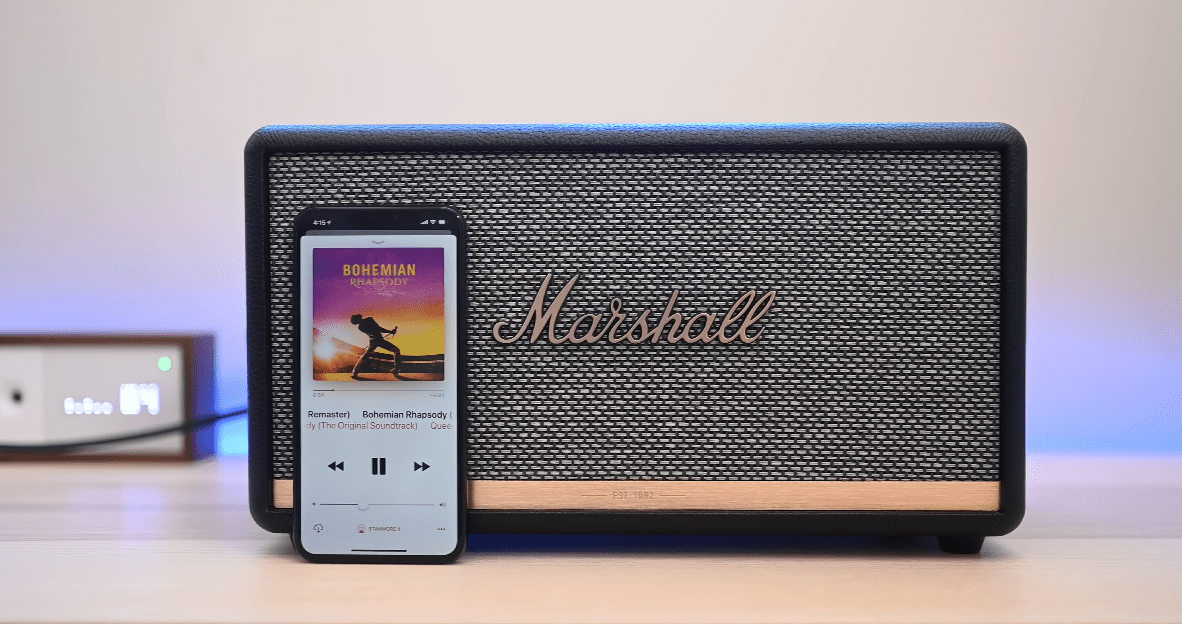
Marshall Stanmore II Speaker Review: Classic Form, Versatile Function
- 1 What are the Marshall Stanmore II’s features, how does it look, and how well does it work?
- 2 Audio Quality Breakdown: Key Sub-Scores
- 2.1 Timbre: 142
- 2.2 Dynamics: 126
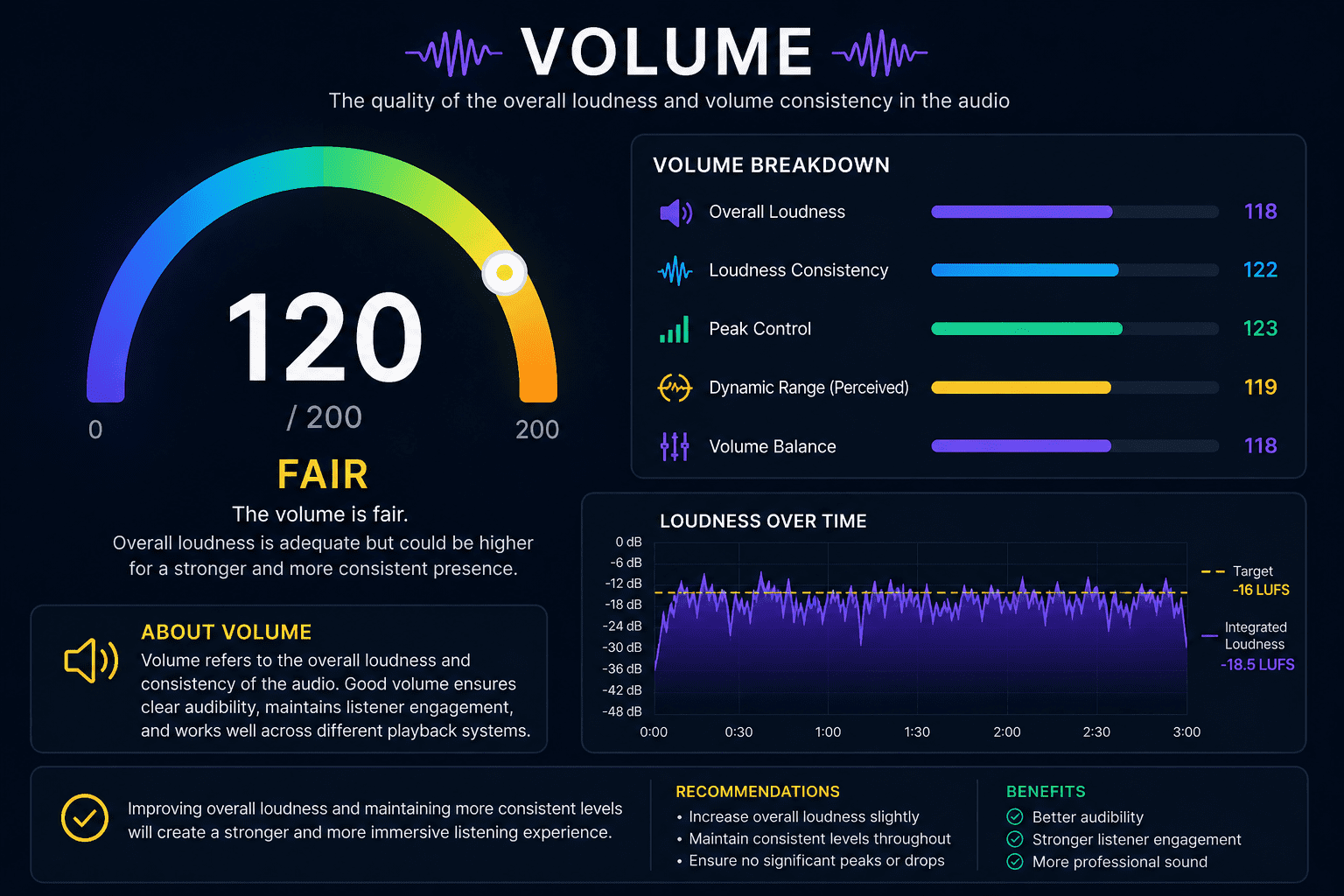
- 2.3 Volume: 120
- 2.4 Artifacts: 123
- 2.5 Strengths of the Marshall Stanmore II
- 3 Conclusion: A Versatile, Loud, and Classic Speaker
- 3.1 FAQs
- 3.1.1 1. What Makes This Speaker Unique?
- 3.1.2 2. How loud is the Stanmore II possible to get?
- 3.1.3 3. How does the sound change when the noise is turned up?
- 3.1.4 4. How well does the Stanmore II do with spatial audio?
- 3.1.5 5. Is the Marshall Stanmore II a good choice for music fans in terms of sound quality?
Marshall’s Stanmore II speakers are a wonderful example of how to combine classic style with cutting-edge technology. The Stanmore II is based on the classic Marshall amplifiers that Jimi Hendrix and other famous guitarists used. It has the brand’s signature wooden cabinet, textured vinyl, and manual control knobs, as well as current features like Bluetooth and voice commands through Google Assistant. It’s in the advanced class of portable speakers and costs about 350 euros. It has a lot of features that could appeal to both serious audio fans and people who just listen to music for fun.
What are the Marshall Stanmore II’s features, how does it look, and how well does it work?
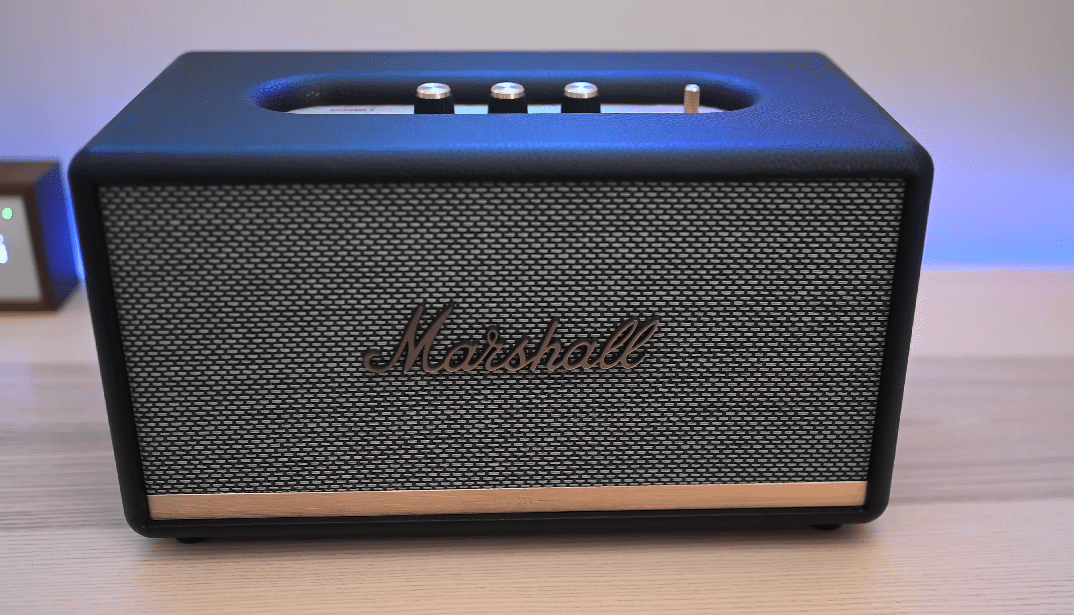
We compare it to other wireless speakers on the market. To get a full picture of what the device can do, we will put it through a series of tests that will show its strengths and weaknesses.
| Features | Specifications |
| Bluetooth | 5.0 |
| aptX | Yes |
| Inputs | 3.5mm, RCA |
| Width | 350mm |
| Height | 195mm |
| Depth | 185mm |
| Weight | 4.65kg |
| Amplifiers | 50W (Woofer), 15W (Tweeters) |
Test Conditions and DXOMARK Evaluation
DXOMARK’s strict testing procedure for wireless speakers was used on the Marshall Stanmore II. The procedure included a perceptual evaluation that lasted more than 20 hours in a controlled laboratory setting. These tests use the device’s built-in hardware to check the playing quality by looking at things like timbre, dynamics, spatial performance, volume, and audio artefacts.
The results show that the Stanmore II, which is in the Advanced group, is one of the best choices. Some problems were clear, especially when the speaker was pushed to its limits, but overall, the results were great.
Audio Quality Breakdown: Key Sub-Scores
Timbre: 142
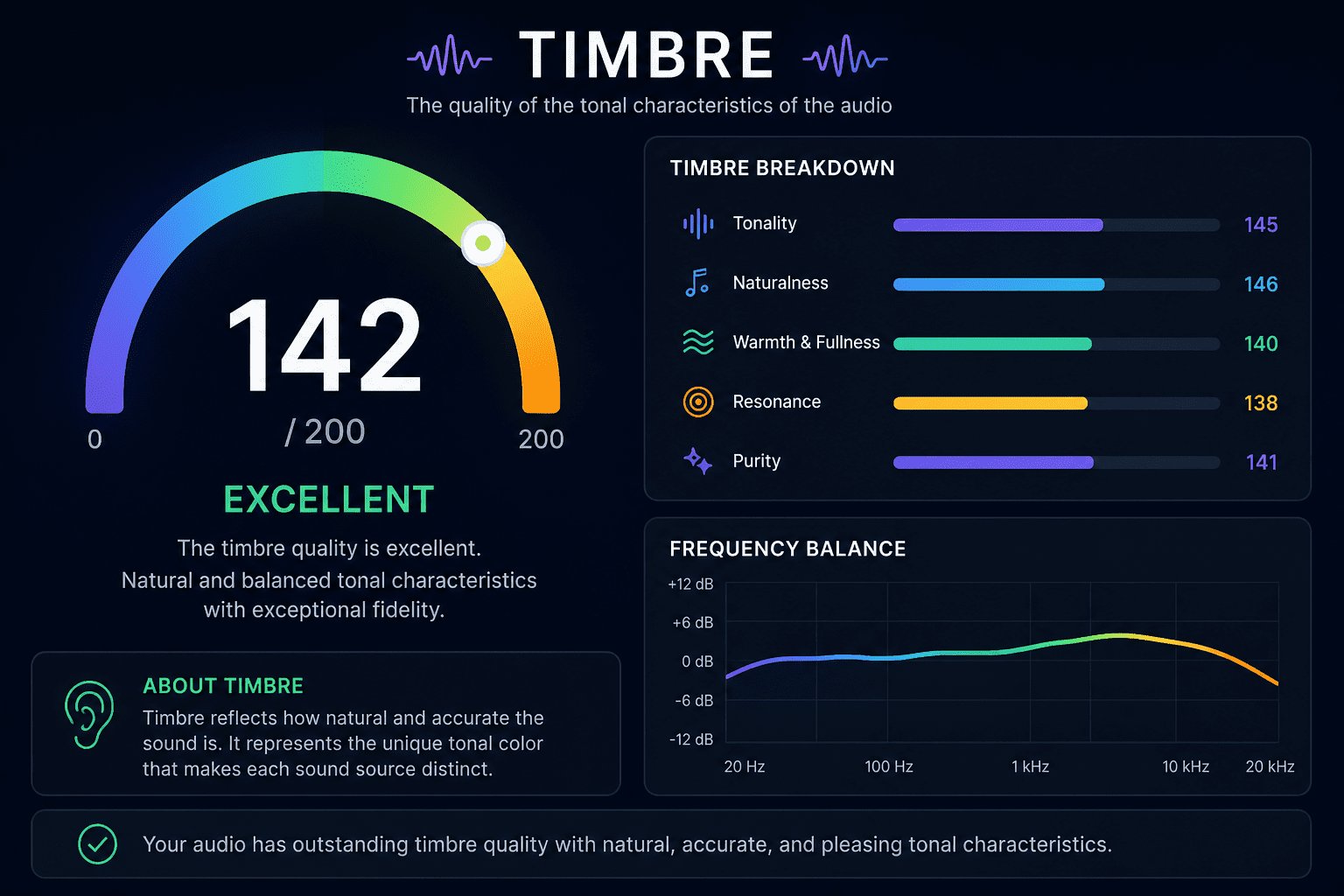
The timbre of a sound is its tonal quality. It includes the bass, middle, and treble frequencies, as well as their balance. With a score of 142, the Stanmore II is one of the best producers that DXOMARK has looked at. The tone of the speaker is pleasing and well-balanced, and there aren’t many resonances or frequency “nodes“. When the volume is moderate, the low midrange makes singers and instruments sound great.
But the Stanmore II isn’t perfect at the very top end. Its sound is a little darker because it doesn’t have a lot of high-end extension, and some parts of the high midrange are toned down. The speaker’s deep bass response is changed, which makes the rumble in the very low bass range less powerful. There is also some low-end extension limiting, especially below 50 Hz. At high volumes, the speaker’s harsh midrange might ruin the listening experience, especially with rock or dance music.
Dynamics: 126
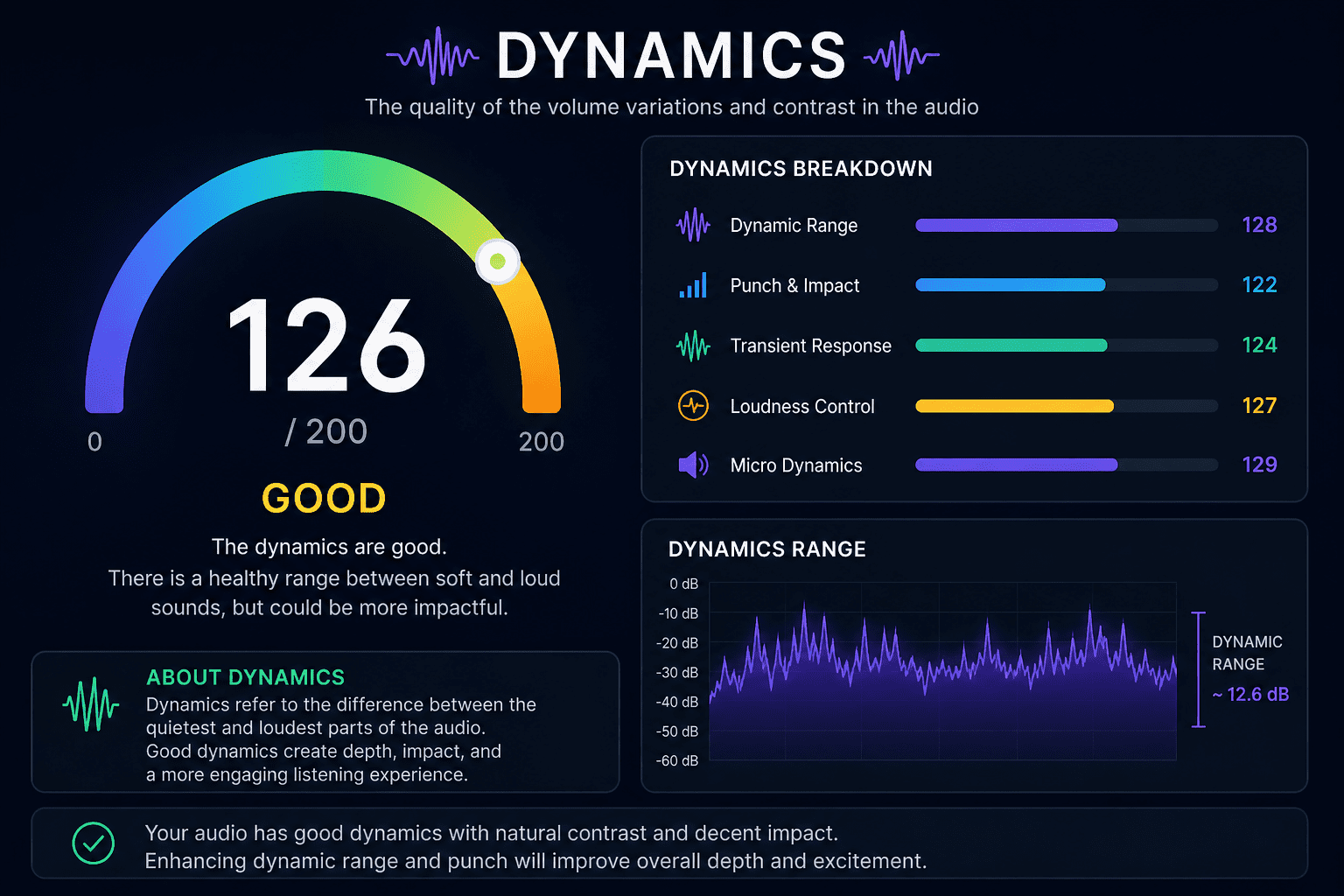
With a focus on bass extension, impact, and articulation, the 126-point dynamic range measures how well the speaker reproduces the kinetic energy of a sound. A score of 126 in this area means that the Stanmore II did well. The dynamic range, speed, and bass accuracy of the speaker make it great for a lot of different types of music.
But as the volume goes up, the speaker’s bass clarity goes down, and distortion can be heard, especially at the highest volume level. Because dynamic performance goes down at very high volumes, this makes the speaker less useful for listening at those settings.
Volume: 120
Spatial tests check how well a speaker reproduces stereo sound in different directions by looking at things like balance, localisability, and distance. The Stanmore II got an 85 in this category because it wasn’t good at making a wide and clear stereo picture.
Due to the limited spatial picture and average localisability, it is hard to pick out individual sound sources, especially in crowded places or when listening to music that is hard to understand. Some places that reflect light, like bathrooms, do a slightly better job, but there is still a lack of high-end extension and medium clarity at a distance.
Since the Stanmore II is a front-firing speaker with a bass port on the back, it sounds best close to a wall. It doesn’t sound as good when it’s farther away.
DXOMARK’s volume tests show that the Stanmore II is one of the loudest portable speakers, with a score of 120. It can go as loud as 96.9 dBA without distorting, and it sounds good with many different types of music, from hip-hop to classical. This means it can handle more sound, which makes it perfect for larger rooms or outside.
When the volume is turned up, the Stanmore II’s dynamics and bass clarity start to suffer. The speaker is also more likely to distort, especially when playing songs with a lot of bass. Still, it does a great job of being loud.
Artifacts: 123
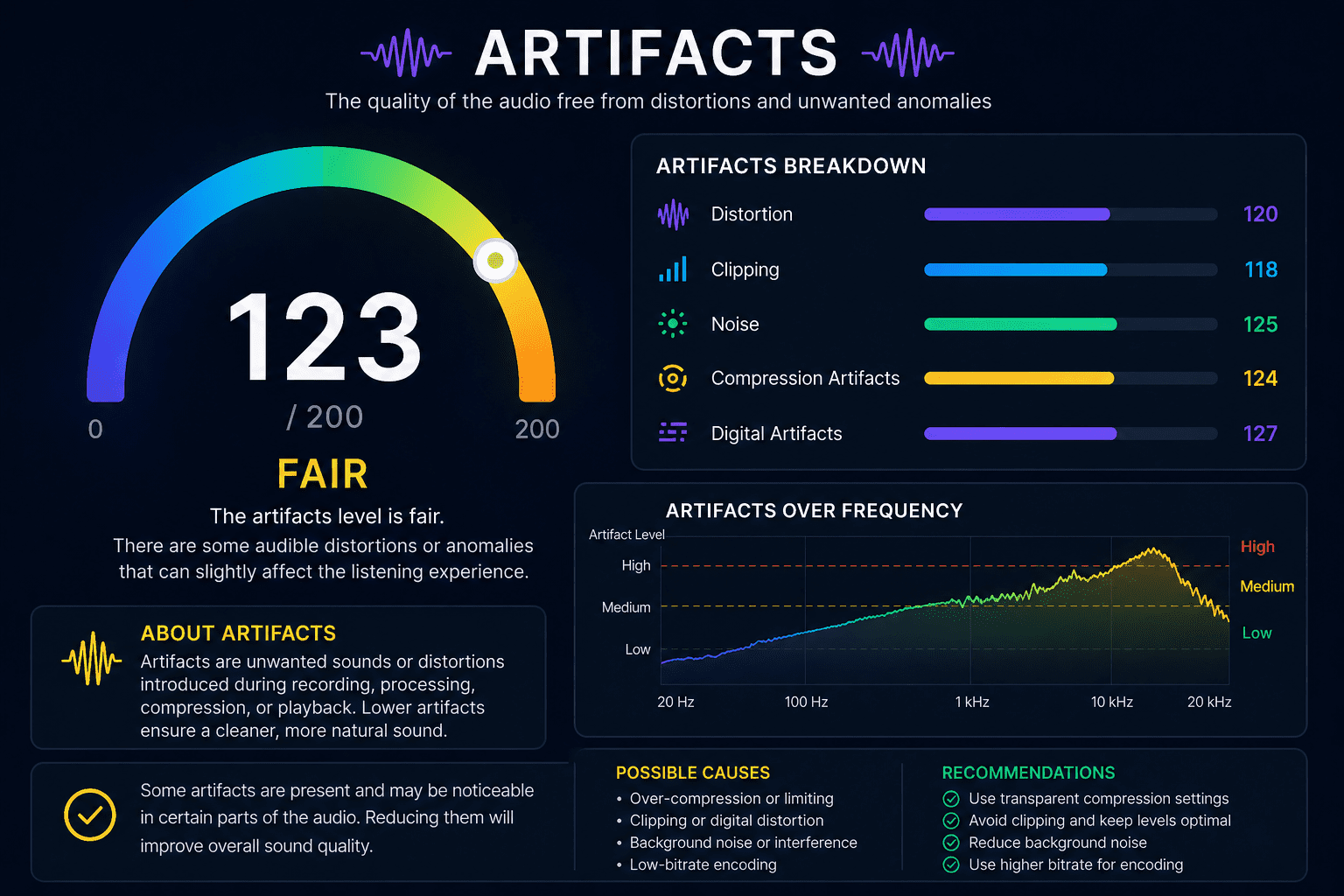
Clipping and other unwanted sounds and effects are examples of audio artefacts. With a score of 123, the Stanmore II did pretty well in this area. Peak clipping could happen if the volume is very high, especially with sounds that have a lot of bass, like kick drums. Other than that, it usually makes clean audio with little distortion.
Strengths of the Marshall Stanmore II
At full volume, distortion and other sound problems become more obvious, making the sound less clear.
- The Stanmore II is a classic piece of furniture in Marshall’s signature style. Its oak cabinet, smooth vinyl, and brass knobs make it look great for a long time.
- Very Loud: This speaker is one of the best in its class and can fill even the biggest rooms with sound.
- The Stanmore II is great for styles that need a lot of energy and attack, but it also makes sounds that are strong and lively in most situations.
- Sound Balance: The speaker’s flat bottom middle makes acoustic and vocal-heavy songs sound better.
- The low-end extension of the Marshall Stanmore II is one of its flaws. This makes the speaker sound darker than other models.
- Bass Clarity at Maximum Volume: The bass gets muddled and less precise when the volume is turned all the way up.
- Some types of music might not sound as good as they could because the soundstage is small, and it’s hard to pinpoint where sounds are coming from.
- Peak clipping can cause the Stanmore II to distort sounds when it is set to its loudest setting. This is most visible in songs with a lot of bass.
Conclusion: A Versatile, Loud, and Classic Speaker
When it comes to the great majority of sound characteristics, the Marshall Stanmore II is the best. It’s a strong and flexible speaker. If you want a speaker that can fill a room with sound, this is a great choice because it has a nice mix of sounds. It has some problems, like not extending the bass and distorting at high volumes, but all in all, it’s the best portable speaker in the advanced tier.
The Stanmore II is a great option for people who care about both looks and functionality, as it combines classic Marshall styling with modern Bluetooth connection and powerful sound. The Stanmore II can make loud, dramatic sounds without losing its clarity, so it’s great for both quiet hearing and loud parties.
FAQs
1. What Makes This Speaker Unique?
Marshall has combined their signature style with cutting-edge wireless technology in the Stanmore II. It has the classic old-school look of a Marshall amplifier, but it also has current features like Bluetooth, a loud volume, and strong sound.
2. How loud is the Stanmore II possible to get?
Because it can reach a high volume of 96.9 dBA, the Stanmore II is one of DXOMARK’s loudest wireless speakers.
3. How does the sound change when the noise is turned up?
At very high settings, distortion can be heard, and bass clarity decreases, especially with music that has a lot of bass.
4. How well does the Stanmore II do with spatial audio?
The Stanmore II doesn’t work as well in big open spaces because it has a small soundstage and average localisation.
5. Is the Marshall Stanmore II a good choice for music fans in terms of sound quality?
Audiophiles might not like how the Stanmore II lacks high-end extension and bass precision at higher volumes, even though the speaker has a nice mix of tones and is very loud.